
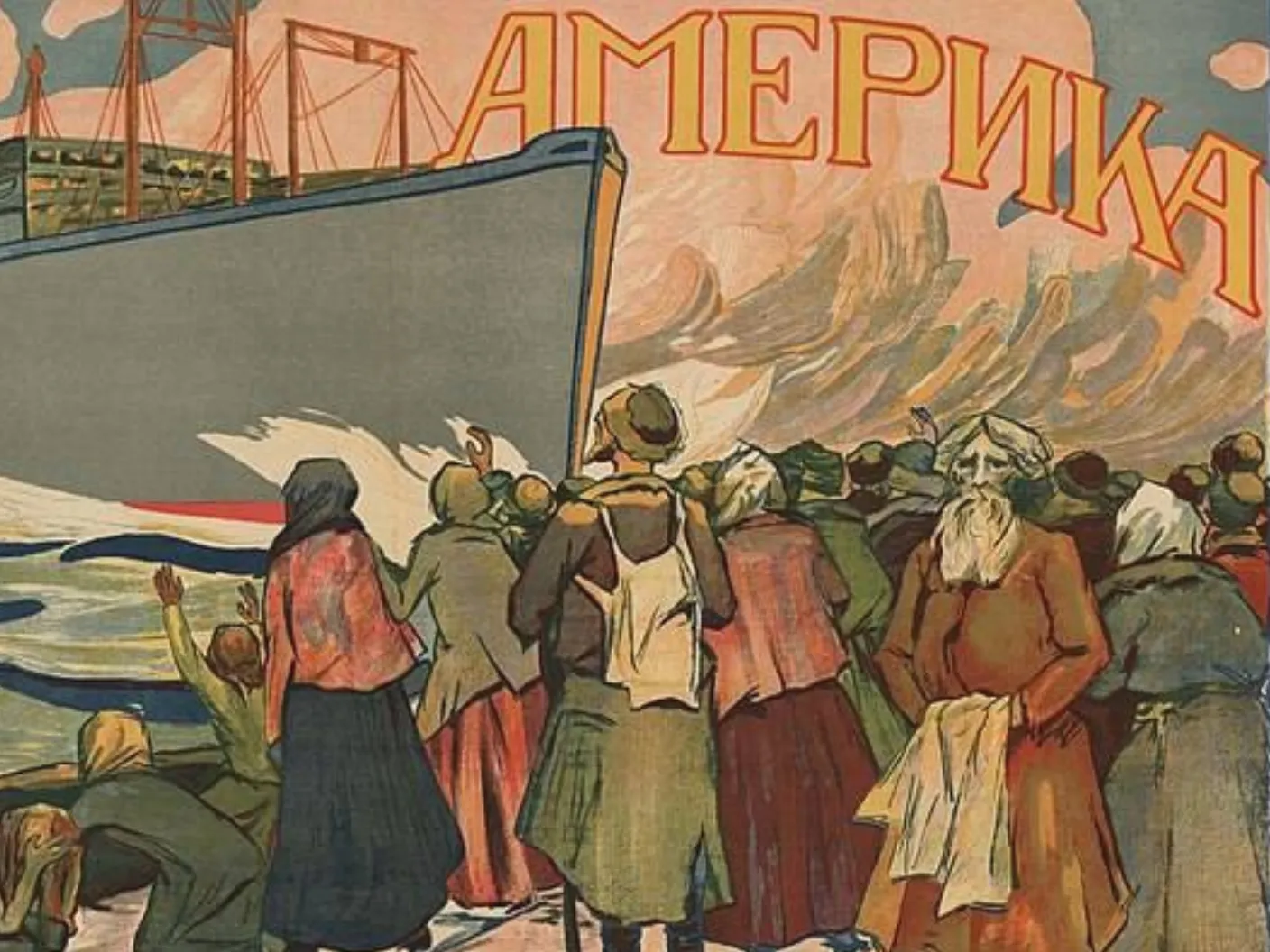
American Famine Relief in Soviet Russia (Video)
On Saturday, February 1, Dr. Bertrand Patenaude presented “‘Give Bread and Medicine’: American Famine Relief in Soviet Russia, 1921-1923″ as a part of the Russian History Museum’s Second Saturday online lecture series.
When a devastating famine descended on Soviet Russia in 1921, the United States responded with a massive two-year relief campaign (ARA) that battled starvation and disease and saved millions of lives. Most famine victims do not die of starvation, but of famine-related disease.
While the role of food aid has been well documented, Dr. Bertrand Patenaude’s talk highlighted the lesser-known story of America’s medical intervention.
During the Q&A session, Dr. Patenaude shared insights from his travels to Russia and discussed Mikhail Gorbachev’s perspective on the ARA.
About the Speaker
 Bertrand M. Patenaude is a Research Fellow at the Hoover Institution and a Lecturer in history and international relations at Stanford University. His first book, The Big Show in Bololand: The American Relief Expedition to Soviet Russia in the Famine of 1921 (Stanford University Press, 2002), won the 2003 Marshall Shulman Book Prize and was made into a documentary film for the award-winning PBS history series American Experience. His 2009 book, Trotsky: Downfall of a Revolutionary (Harper), was serialized for radio by the BBC.
Dr. Patenaude most recent book, co-authored with Joan Nabseth Stevenson, is Bread + Medicine: American Famine Relief in Soviet Russia, 1921–1923 (Hoover Institution Press, 2023). Patenaude was educated at Boston College (BA, 1977) and at the University of Vienna, was a Fulbright Scholar in Moscow in 1982–83, and received his PhD in History from Stanford in 1987. He has contributed book reviews to the Wall Street Journal since 2004.


